
Hormone Replacement Therapy for Menopause

Medical Doctor | Medical Writer (Preventive & Metabolic Health)
Dr. Jody-Ann McLean holds an MBBCH (Bachelor of Medicine, Bachelor of Surgery) and has a background in clinical medicine and pathology. Her work focuses on evidence-based health content and the interpretation of medical research.
Introduction
Hormone replacement therapy (HRT), also called menopausal hormone therapy (MHT), is a treatment that replaces the estrogen, and in many cases the progesterone, that declines as you approach menopause. It’s used to relieve common menopause symptoms like hot flashes, night sweats, and vaginal dryness, and also to protect against bone loss after menopause. Whether HRT is right for you depends on your symptoms, age, timing around menopause, and your personal and family health history.
Disclaimer: This article is for informational and educational purposes only and does not constitute medical advice. Always consult a qualified healthcare professional before starting, stopping, or adjusting any medication or treatment.
At a Glance
- What it is: Hormone replacement therapy for menopause is a prescription medicine that replaces the estrogen (and usually progesterone) that the ovaries produce less of during the time around menopause.
- Who it’s for: HRT is for individuals with uncomfortable and persistent menopause symptoms, especially hot flashes and night sweats.
- Key benefits: HRT is the most effective treatment for hot flashes and night sweats.1 It can also provide symptom relief for vaginal dryness or irritation, sleep problems, and can protect against bone loss.
- Key risks: The risks of HRT vary significantly by age, time since menopause, formulation, and personal health history. For some, the risks may include heart disease, stroke or blood clots, breast or endometrial cancer, or gallbladder disease. Most risks are small when initiated in the first 10 years of menopause or before the age of 60.1
- Cost: HRT is available in different forms like pills, patches, gels, sprays, creams, and rings. Monthly costs vary widely. Generic options can start under $10 per month, while brand name formulations can cost over $500 per month, depending on formulation and dosage, insurance coverage, pharmacy, and whether discount cards are used.
- When to consider it: When symptoms interfere with sleep, work, relationships, or daily life, and lifestyle changes and non-hormonal options have not been enough, it may be time to consider HRT.
What Hormone Replacement Therapy Is
Hormone replacement therapy is a prescription treatment that replaces the hormones the body is no longer producing in sufficient amounts as you approach menopause. Menopause happens when your menstrual periods stop. It’s defined clinically as 12 consecutive months without a period, and this happens on average around age 51.2 At this point, your ovaries stop releasing eggs and greatly reduce their production of estrogen and progesterone. Perimenopause is the time leading up to menopause and can last for years. It’s when estrogen levels start to decrease, and this transitional period is when symptoms may first appear.
HRT works to restore some of the estrogen or progesterone. Estrogen is the main hormone used in most HRT regimens, with its main purpose to relieve symptoms of menopause and perimenopause. For people who have a uterus, a second hormone progesterone, or a synthetic form called progestin, is added for protection of the endometrium (the inner lining of the uterus). When estrogen is given alone it can cause the endometrium to thicken, possibly increasing the risk of endometrial cancer.2 Progesterone works to prevent that excessive thickening. Testosterone may sometimes be added to the regimen in certain cases of persistently low libido in postmenopausal individuals. This is used off-label and needs to be initiated by a specialist.
Who HRT May Help
HRT is often prescribed for people with moderate to severe menopause symptoms that are significant enough to have an effect on quality of life. It can also be indicated in people with a higher risk of osteoporosis from accelerated bone loss after menopause.
HRT might be suitable if you:
- Have persistent and disruptive symptoms that includes hot flashes and night sweats
- Have genitourinary syndrome of menopause (GSM) which is a condition causing vaginal dryness or irritation, discomfort during sex, or recurrent urinary symptoms
- Experience early menopause (before age 45), in which case HRT is usually recommended until the average age of natural menopause1. This helps reduce the health risks associated with prolonged estrogen deficiency, including bone loss and heart disease
- Have had both ovaries surgically removed before natural menopause
- Are at higher risk of having osteoporosis or fractures, as HRT can protect against the bone loss that can happen in menopause
Timing Considerations
Guidance from both The Menopause Society3 and the American College of Obstetricians and Gynecologists1 (ACOG) supports starting HRT before age 60 or within 10 years of menopause if you’re otherwise a good candidate. Within this window, the benefits for symptom relief and bone protection tend to outweigh risks. Starting HRT after age 60 or more than 10 years after menopause is still possible in certain cases, but the benefit-risk ratio is less favorable and risks for conditions like cardiovascular disease and stroke need to be more carefully weighed.
Benefits of Hormone Replacement Therapy for Menopause
Relief of hot flashes and night sweats
Hot flashes and night sweats, together called vasomotor symptoms (VMS), affect up to 80% of people going through menopause.4 In some people, these symptoms can be severe and persistent. Systemic HRT is the most effective treatment for vasomotor symptoms and can reduce the frequency of hot flashes by around 75%.5
Relief of vaginal and urinary symptoms
Genitourinary syndrome of menopause is found in around 27-84% of people in the postmenopausal phase.6 It can cause vaginal dryness or irritation, discomfort during sex, and repeated urinary tract infections. Unlike hot flashes or night sweats, these symptoms tend to get worse as time goes on rather than improve, and can significantly impair sexual health and quality of life if left untreated.
Vaginal estrogen is highly effective for treating these local symptoms. Only a small amount is absorbed into the bloodstream compared to systemic HRT, so it also carries a better risk profile. For this reason, the FDA advises using low-dose topical vaginal estrogen when the menopause-related issues are mostly confined to the genital or urinary tract.6
Protection against bone loss
Estrogen has an important role in preserving bone density. Along with declining estrogen levels in postmenopause, bone loss can accelerate, which is why people are at a higher risk of osteoporosis and fractures at this time.7 HRT can slow this loss and is FDA-approved for the prevention of postmenopausal osteoporosis.1
Improvements to sleep, mood and quality of life
For some people, sleep quality can improve on HRT, in part because it helps with night sweats and hot flashes that can disturb sleep. Mood symptoms like irritability or low mood can also improve, especially when it’s linked to improved sleep and associated with the menopause transition rather than a pre-existing mental health condition.1
Other possible benefits
- Combined hormone therapy may be associated with a reduced risk of colorectal cancer, although HRT is not prescribed for this purpose.2
- There is some evidence suggesting that starting HRT within 10 years of menopause or before age 60 may have more favorable effects on cardiovascular risk. However, current guidelines indicate that HRT is not recommended or approved for heart disease prevention.1
Risks and Side Effects
HRT isn’t suitable for everyone, and the risks vary according to factors like timing around menopause, patient age and health status, and the type and formulation of HRT. Like most medication, HRT does carry some risks, and this should be balanced with the benefits of using hormone treatment in consultation with your healthcare professional.
What the Women’s Health Initiative Trial Showed
There’s been a lot of controversy and confusion surrounding HRT because of a single trial done in 2002 called the Women’s Health Initiative trial (WHI).8 The study reported that conventional HRT was associated with a higher risk of both breast cancer and cardiovascular disease. HRT use fell dramatically after these findings were reported widely across the media. After scrutiny, it was found that the study had some important limitations regarding participants’ individual risk factors that could affect how the results were interpreted. The specific HRT formulation used in the WHI trial is also no longer the most common regimen prescribed today.
After adjusting for certain factors (participants’ age, personal health status, timing around menopause), later analyses of the results including long-term follow up of the WHI participants, showed that some of the initial results were no longer statistically meaningful.9 Despite this, the initial interpretation of the study still shapes how people think about HRT risks, and even how some doctors prescribe it.
Breast Cancer Risk
The risk of breast cancer may depend on several factors like duration and type of HRT, previous use, and individual health factors. Systemic HRT is usually not recommended if you have a personal history of hormone-sensitive breast cancer.
Estrogen-only HRT
Estrogen-only HRT (which is used by people without a uterus) did not show an increased breast cancer risk in the Women’s Health Initiative trial, with some long-term follow up data actually suggesting a possible reduced risk of breast cancer.1
Combined HRT
Combined estrogen-progestogen hormone therapy is associated with a small increase in breast cancer risk.1,2 According to The Menopause Society, in absolute terms this risk is equivalent to 1 additional case of breast cancer per 1,000 women per year of HRT use. To put this into perspective, this is comparable to the level of risk from modifiable risk factors including two daily units of alcohol, sedentary lifestyle, or obesity.1
Cardiovascular Risk, Blood Clots and Stroke
In people starting HRT before the age of 60 or within 10 years of menopause, there are some studies suggesting HRT may protect against heart attacks, especially with estrogen-only therapy. HRT, however, isn’t government-approved for protecting against heart disease. The risk-benefit ratio shifts less favorably in individuals aged over 60 years or starting HRT more than 10 years after menopause. In these cases, there is increased risk of heart disease, stroke, blood clots and dementia as compared to people starting HRT in early menopause.1
Oral formulations of estrogen pass through the liver where it can have an effect on the production of clotting factors. This can raise the risk of stroke or having blood clots in the legs or lungs. Non-oral estrogen options like patches or gels, bypass the liver so they don’t have the same clotting risk. This small risk of stroke and blood clots tends to increase with age and when a person has conditions like heart or kidney disease, or obesity.2
Endometrial Cancer
Using estrogen alone for people with a uterus can increase the risk of endometrial cancer. Taking progestogen together with the estrogen can reduce this risk by protecting the endometrium, and this is standard practice for people with an intact uterus.2
Gallbladder Disease
There is a slightly higher risk of gallstones and gallbladder disease in people using HRT, especially with oral estrogen use.2
Common Side Effects
Most side effects are temporary and can include the following:
- Breast tenderness
- Nausea
- Bloating and fluid retention
- Breakthrough bleeding, which normally stops within the first 6 months
- Headaches
- Mood changes (sometimes related to the progestogen)
About the FDA Black Box Warning
The U.S. Department of Health and Human Services (HHS) announced in November 2025 that the FDA was removing the black box warning on HRT products for menopause. The warning was regarding risks for heart disease, breast cancer, and dementia and it was heavily based on data from the WHI trial.10 After reviewing current scientific literature and having an expert panel, the HHS and FDA decided to remove this boxed warning based on the current available evidence on HRT, with consideration of age and timing-dependent risk and benefits.
Some clinicians welcomed this decision as they felt that the warning had acted as a deterrent for some women who may have benefited from HRT treatment. Others warned that removing the warning label could be seen as a blanket reassurance that these risks don’t exist, and that changing the label doesn’t change the fact that the underlying risks and benefits are still the same as they were before the warning was removed. The label change is a reflection of how the evidence should be communicated, rather than being a new finding.
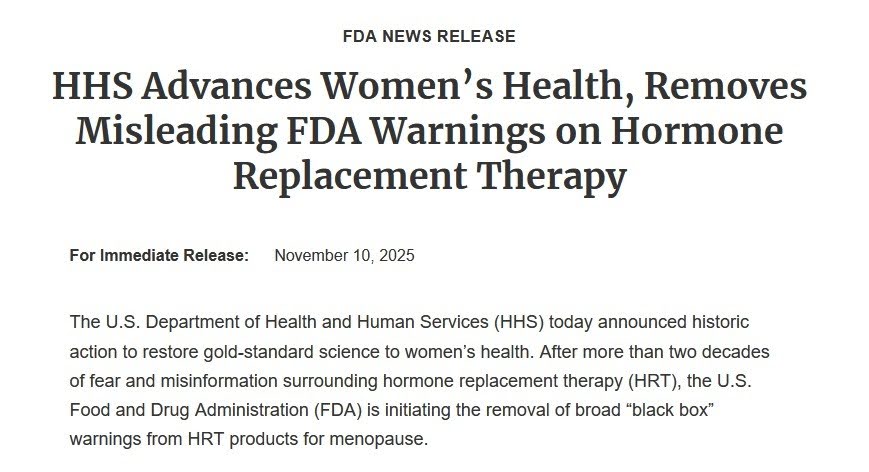
Figure 1. FDA press announcement, November 2025: removal of boxed warnings on hormone replacement therapy products. Source: U.S. Food and Drug Administration.
Who Should Avoid or Use Caution
HRT isn’t suitable for everyone. Systemic HRT is usually not prescribed if you have the following:2,11
- A history of breast cancer or other hormone-sensitive cancers like endometrial or ovarian cancer
- A history of blood clots, stroke, or heart disease
- Liver disease
- A bleeding disorder
- Unexplained vaginal bleeding
- Current or recent pregnancy
- An allergy to any ingredient in the HRT medicine
Careful assessment and discussion with your healthcare provider is needed if you have:
- Migraine
- High blood pressure
- High lipid levels (hyperlipidemia)
- Obesity
- A family history of breast or hormone-sensitive cancer
- Gallbladder disease
Low-dose vaginal estrogen may be safer to use in certain situations where systemic HRT isn’t advised.
Types of HRT for Menopause
Hormone replacement therapy can be divided into two main types: systemic (whole-body) HRT and local (vaginal) HRT. This is based on how the hormones are absorbed into your body, and which symptoms they are able to treat.
Systemic HRT
Systemic HRT circulates throughout the body. It can be used to treat symptoms like hot flashes and night sweats. It usually consists of estrogen, and progestogen is added for endometrial protection if you still have a uterus.
Regimens: Cyclical vs Continuous
Systemic HRT can be taken in different dosing patterns2:
- Cyclical (sequential) HRT: Estrogen is taken every day, but a progestogen is added at the end of the cycle for 12-14 days. The progestogen dose is given in proportion to the estrogen dose to protect the endometrium. Cyclical HRT can lead to a monthly withdrawal bleed and is most commonly taken by people in the perimenopause stage.
- Continuous combined HRT: Estrogen and progestogen are both taken daily. This regimen offers better protection for the endometrium, and is designed to avoid unscheduled bleeding. It’s usually recommended for postmenopausal individuals. If it’s given to individuals in the perimenopausal stage who still have menstrual cycles, it can cause heavy or irregular bleeding.
Delivery Methods
Systemic HRT is available in several forms including2:
- Oral tablets (pills): Pills are taken daily. They are widely available in both generic and brand-name forms, and are often a low-cost option. Oral estrogen is processed by the liver first, so pills can carry a higher risk of blood clots than other non-oral routes.
- Patches: Patches are applied to the skin, and are changed once or twice a week. They may be a better option for you if you have trouble swallowing tablets or may forget to take them every day. The patch delivers estrogen steadily into the bloodstream once it’s absorbed through the skin. The estrogen doesn’t pass through or get processed by the liver initially, meaning it’s associated with a lower risk of blood clots than oral forms. It also allows for lower doses to be effective. Some combination patches deliver estrogen and progestogen together. The most common downside is skin irritation at the patch site. They also may not stick well to your skin if you moisturize the area.
- Gels or sprays: Gels and sprays are applied to the skin daily. Similar to patches, they’re considered to be lower risk for blood clots as they also bypass the initial processing by the liver. The main practical consideration is that you need to avoid skin-to-skin transfer to other people (especially children) while the product is still drying on your skin. You may also need to wait an hour after applying the spray before having a shower or bath.
Progesterone is usually taken as an oral capsule at bedtime, or as part of a combination patch.
Local (Vaginal) HRT
Local HRT delivers lower doses of estrogen directly to the vagina. Systemic absorption is minimal so it doesn’t treat body-wide symptoms like hot flashes. It’s used instead to treat more localized issues like vaginal dryness, irritation, discomfort during sex, or urinary symptoms. These options may sometimes be used by people who aren’t able to use systemic HRT, but this should be discussed with your doctor.
Vaginal options
- Vaginal creams are applied directly into the vagina using an applicator. This is usually done daily at first and then reduced gradually to a maintenance dose, for example a couple of times a week.
- Vaginal tablets or suppositories are inserted directly into the vagina, releasing hormones into that area. Like vaginal creams, this may be initially done once daily and then reduced to once or twice a week based on symptoms.
- Vaginal rings are flexible rings placed in the upper part of the vagina which release low doses of estrogen. It can remain in place during intercourse. It usually needs to be replaced every 3 months. There are also higher-dose estrogen ring options which can be used to treat systemic symptoms like hot flashes and night sweats.
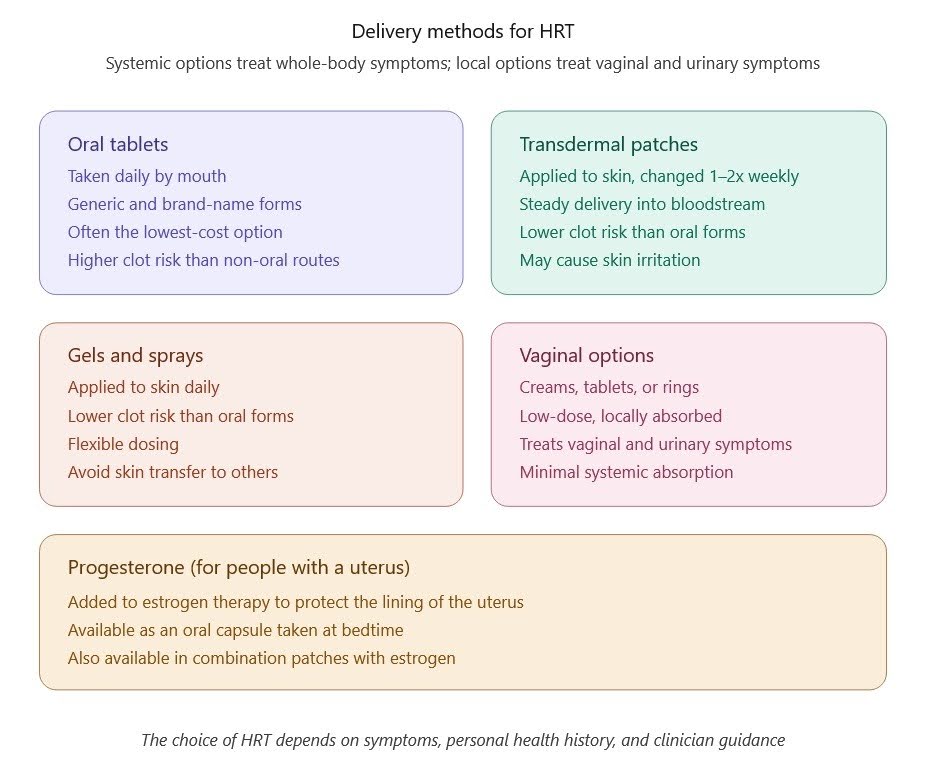
Figure 2. Main delivery methods for hormone replacement therapy.
How Much HRT for Menopause Costs
The cost of HRT varies a lot. Two people on the same medication can pay very different amounts. This can depend on their insurance plan, their pharmacy, whether they pick a generic or brand name, which formulation of HRT they use, and whether they have discount cards or manufacturer coupons to use.
Insurance vs Out-Of-Pocket Costs
Many private insurance plans cover HRT for menopause, but coverage varies according to plan and it usually needs to be FDA-approved medications. Medicare may cover HRT when it’s deemed medically necessary for menopause, but coverage depends on the specific part and plan. Medicare Part B may cover doctor consultations and some treatments, but prescription drugs are usually covered under Part D if you select a plan that covers hormones.
Insurance copays can vary widely from one person’s plan to the next. In general, generic FDA-approved estradiol pills or patches are often placed on the lowest cost co-pay tiers (Tier 1) in many insurance formularies. Brand name patches, gels, sprays, or combination products are more variable. They are usually on a higher co-pay tier, or you may need to get prior authorization from your insurer before you can get the HRT at the lower co-pay rate. For an accurate picture of what you’ll pay, you’ll need to check your insurance plan’s formulary or call them directly.
The table below shows current approximate cash prices for some of the common HRT products. These are the prices you’d expect to pay using a platform such as GoodRx or Drugs.com if you don’t have insurance, or if your insurance doesn’t cover a specific medication.
Generic pill options can cost less than $10 per month, while some brand name patches or rings can cost between $400 and $900 per month at retail prices.
Table 1. Approximate Monthly Costs of HRT
| Type of HRT | Approximate Monthly Cash Price |
|---|---|
| Generic estradiol (oral pill) | From ~$8 |
| Estrace (brand oral estradiol pill) | ~$8-65 |
| Generic conjugated estrogen pill | ~$172 |
| Premarin (brand conjugated estrogen pill) | ~$215 |
| Generic estradiol patch | ~$36-$57 |
| Vivelle-Dot/Menostar (brand patches) | ~$158-$166 |
| Generic estradiol gel | ~$141 |
| EstroGel/DiviGel/Elestrin Gel (estradiol gels) | ~$173-$353 |
| Evamist (estradiol spray) | ~$120 |
| Generic progesterone pills | ~$12-$18 |
| Prometrium (brand progesterone pills) | ~$497-$936 |
| Generic estradiol vaginal cream | ~$13 |
| Estrace brand estradiol vaginal cream | ~$115 |
| Generic estradiol vaginal tablet | ~$65 |
| Vagifem/Yuvafem/Imvexxy (brand vaginal tablets) | ~$65-$219 |
| Estring (low-dose vaginal ring, lasts 3 months) | ~$190 |
| Femring (high-dose vaginal ring, lasts 3 months) | ~$298-$317 |
| Combination patches (Climara Pro, CombiPatch) | ~$252-$268 |
| Generic combination tablets (estradiol/norethindrone) | ~$38-$49 |
| Brand combination tablets (brand Activella, Prempro) | ~$256-$283 |
Prices in this table are approximate and actual prices can vary based on pharmacy, location, and specific formulation. The estimates are based on publicly available US prescription pricing tools such as GoodRx and Drugs.com, reflecting discount-card prices, and are not retail prices at the pharmacy counter.
Generic vs Brand
Generic versions of estradiol and progesterone are often the most cost-effective options. They’re also more likely to be covered by insurance plans. Brand-name products, combination therapies, or newer delivery systems like gels or sprays, can also be a lot more expensive.
Real-World Cost Context
Apart from the cost of the HRT medication, there are other costs to consider like consultations with your doctor, any baseline blood tests, and follow-ups that you might need. Most insurance plans cover annual ‘well-woman visits’ every year to assess reproductive and overall health. The cost of additional consultations or specialist visits depends on your insurance plan. It also depends on whether you see your primary care clinician, an OB-GYN, or a menopause specialist.
What to Expect After Starting HRT
The First Few Weeks
Some people start to feel an improvement in their menopause symptoms after a few weeks. It’s possible to notice a difference in symptoms like hot flashes after a few days. The full benefits of HRT for vasomotor symptoms and genitourinary symptoms can take up to 3 months, sometimes longer.
Breast tenderness, bloating, headaches, mild nausea, and breakthrough bleeding are common in the first few weeks of starting HRT. These symptoms usually settle, but talk to your doctor if these side effects are persistent or are troubling you. They may want to consider adjusting your dosage of HRT. Breakthrough bleeding that persists after 6 months, or any new bleeding after a period of stable use, should be evaluated.2, 11
Follow-Up and Monitoring
Most doctors will schedule a follow-up at 3 months to review whether your symptoms are improving, if you have any side effects or concerns, and to ensure proper use.11 After that, it’s usually an annual check-up. This will be to reassess your symptoms and make sure the benefit-to-risk balance still favors continuing HRT.
You might discuss changes to dose or type of HRT if needed. It’s always best to take HRT at the lowest effective dose. Your doctor may also do a general assessment and health check including blood pressure. They may also perform any relevant examinations such as a breast exam. Routine blood tests aren’t generally recommended. Response is judged by how you are feeling and whether your symptoms are improving. Routine screening like mammograms and cervical screening will also be continued on the usual schedule.
Non-Hormonal Alternatives
For those who can’t or choose not to use hormone therapy, there are some non-hormonal options for managing menopause symptoms, especially hot flashes.4,12,13
- Fezolinetant (Veozah) is an FDA-approved non-hormonal medication used to treat moderate to severe hot flashes. It’s a type of drug belonging to a class called neurokinin 3 receptor antagonists. It works by targeting temperature regulation pathways in the brain which are involved in menopausal symptoms. This can help reduce the severity of hot flashes and night sweats.
- Elinzanetant (Lynkuet) is a newer medication very similar to Fezolinetant. It blocks 2 receptors, and is called a dual neurokinin-1 and neurokinin-3 receptor antagonist. It was FDA-approved in 2025. It may have a faster effect compared to Fezolinetant, and can improve menopause-specific quality of life, although long-term data is still emerging.
- Low-dose paroxetine (Brisdelle) is currently the only SSRI (a type of antidepressant) that’s FDA-approved for the treatment of hot flashes.
- Gabapentin is sometimes prescribed off-label for vasomotor symptoms. It’s usually taken at night as it can cause drowsiness. Due to its short duration of action, taking it at night can be helpful for people with night-time symptoms like hot flashes and night sweats.
How to Decide
Questions Worth Asking Your Doctor
- Considering my age, symptoms, and medical history, would HRT be an option for me?
- Which type of hormone therapy and delivery method would you suggest for me, and why?
- What should I expect in the first few months?
- How will I know if it’s working?
- What would make us stop or switch my treatment?
- When will my next follow-up be?
What To Bring To Your Consultation
- A diary of your symptoms, when they started, and how often they happen
- A list of medications you are currently taking, including any supplements
- Your family history, including breast or ovarian cancer, and conditions like heart disease or blood clots
- A note with questions you want to ask your doctor so you don’t forget to ask them when you’re in the consultation
Factors That May Favor HRT
- Menopause symptoms which are persistent and affect your quality of life, whether it’s sleep, work or relationship-related
- If you’re within 10 years of menopause or less than 60 years of age
- If you’re generally healthy, and don’t have any personal history of heart disease or breast cancer
Factors That Might Shift The Conversation Away From Systemic HRT
- Personal history of hormone-sensitive cancer
- History of blood clots, stroke, or heart attack
- If you’re over the age of 60 or with more than 10 years since menopause
Frequently Asked Questions
HRT is generally considered to have a favorable benefit-risk profile for people within 10 years of menopause or under the age of 60, when it’s prescribed at the lowest effective dose. Its safety depends on several factors including your personal and family health history, your age, the timing around menopause, and the type and formulation of HRT.
HRT may be associated with a small increased risk of certain complications like blood clots, heart disease, or breast cancer, but the risk increases with age and several other factors, and the absolute risk is small.
HRT isn’t suitable for everyone, and your doctor will assess your individual benefit:risk profile.
There isn’t a single best age to start HRT, but there is a window in which there is the best balance of symptom benefit versus long-term safety. This window is within 10 years of menopause or before the age of 60. If you don’t fit within this window but have persistent and troublesome symptoms, HRT may still be an option for you to discuss with your doctor.
The cost of hormone replacement therapy can vary a lot, and it depends on the type and formulation of HRT, whether it’s a generic or brand name product, your insurance coverage, and the specific pharmacy. Generic versions of oral estradiol and progesterone tend to be most cost-effective, often starting at less than $10 per month. On the other hand, brand name patches, gels, or rings can cost several hundred dollars per month at retail prices.
Estrogen-only HRT is used for people who no longer have a uterus, usually after a hysterectomy. Combination HRT is used when the uterus is still present. Estrogen alone can cause overgrowth of the lining of the uterus, so progestogen is added which helps protect against this happening.
There isn’t a set time limit for how long you can take hormone replacement therapy. Current guidelines support continuing with HRT for as long as the benefits of taking it outweigh the risks for you. You will need an annual review, where you will be able to discuss with your doctor if it’s still in your best interest to continue with HRT. Some people use HRT for a few years to manage symptoms, while others use it for much longer, especially if they started HRT younger for early menopause.
Many private insurance plans cover generic, FDA-approved oral versions of estradiol or progesterone for menopause when it’s medically necessary. These are usually Tier 1 in insurance formularies which is the lowest co-pay, but coverage varies according to plan. Insurance coverage of brand names and gels, rings, and combination products tends to vary more and is often on a higher co-pay tier. Medicare may also cover HRT when it’s medically indicated, but this depends on the part and plan. Prescriptions are usually covered under Part D if you select a plan that covers hormones. The most accurate way to find out what’s covered under your plan is to check your plan’s formulary or call your insurance provider directly.
Your menopause symptoms can return relatively quickly after stopping HRT. It depends on which type of hormone and formulation you were using, but most of the hormone will have been cleared from your body within a few days to a week. This is when you might notice the return of symptoms like hot flashes and night sweats. It’s generally recommended to discuss stopping HRT with your doctor so you can decide on a plan to taper down your medication rather than stopping abruptly.
If you’re looking for natural alternatives to HRT, there are several lifestyle approaches that may help to support your overall health during menopause, especially when symptoms are mild.
Physical activity is important during the menopause transition, and adding strength training two or three times a week can help to support your bone density, preserve lean mass and improve insulin sensitivity, all of which become more important as estrogen levels decline. Eating a balanced diet with enough protein, fiber, and healthy fats, can help to stabilize blood sugar levels which is relevant in perimenopause when declining estrogen levels can affect your insulin sensitivity. Cognitive behavioral therapy (CBT) is recommended by The Menopause Society as an evidence-based option which can help reduce how much the symptoms of menopause bother and interfere with your daily life. These approaches don’t replace HRT, but they can be valuable alongside it, or for people who don’t want to or can’t use HRT.
Conclusion
Hormone replacement therapy remains the most effective treatment for menopause symptoms like hot flashes and night sweats. It can also relieve symptoms like vaginal irritation and dryness, sleep disruption, and can help protect against bone loss.
HRT isn’t a one-size-fits-all treatment. The benefit-risk balance depends on many factors including your age, the timing around menopause, which symptoms you have, and your individual health profile. As with all medications, there are risks. If you’re less than 60 years of age and within 10 years of menopause, the absolute risks are generally small when starting HRT appropriately within this window.
If you’re considering hormone therapy, it’s important to have an informed conversation with your doctor. HRT is very individualized nowadays, and there’s a lot more choice available between types and formulations. Weighing up the different options available for you will allow you to choose something that fits your symptoms, lifestyle, and health profile.
References
- The 2022 hormone therapy position statement of The Menopause Society. Menopause. 2022;29(7):767–94. Available from: https://menopause.org/wp-content/uploads/professional/nams-2022-hormone-therapy-position-statement.pdf
- American College of Obstetricians and Gynecologists. Hormone therapy for menopause [Internet]. Washington, DC: ACOG; 2024. Available from: https://www.acog.org/womens-health/faqs/hormone-therapy-for-menopause
- The Menopause Society. Menopause Topics: Hormone Therapy. [Internet]. n.d. Available from: https://menopause.org/patient-education/menopause-topics/hormone-therapy
- The 2023 nonhormone therapy position statement of the North American Menopause Society. Menopause. 2023;30(6):573-590. Available from: https://menopause.org/wp-content/uploads/professional/2023-nonhormone-therapy-position-statement.pdf
- Lugo T, Tetrokalashvili M. Hot Flashes. In: StatPearls [Internet]. Treasure Island (FL): StatPearls Publishing; 2022. Available from: https://www.ncbi.nlm.nih.gov/books/NBK539827/
- The 2020 genitourinary syndrome of menopause position statement of the North American Menopause Society. Menopause. 2020;27(9):976-992. Available from: https://menopause.org/wp-content/uploads/professional/The_2020_genitourinary_syndrome_of_menopause.5.pdf
- Management of osteoporosis in postmenopausal women: the 2021 position statement of the North American Menopause Society. Menopause. 2021;28(9):973-997. Available from: https://menopause.org/wp-content/uploads/professional/2021-osteoporosis-position-statement_577e5813-cdfa-4d5f-a7f2-3c3f3ec0e4c9.pdf
- Writing Group for the Women’s Health Initiative Investigators. Risks and benefits of estrogen plus progestin in healthy postmenopausal women: principal results from the Women’s Health Initiative randomized controlled trial. JAMA 2002;288(3):321–33. Available from: https://jamanetwork.com/journals/jama/fullarticle/195120
- Khalifey HT, Mahereen R, Adwan R, Chahine R, Kaidali M, Mirza SF, et al. The impact of hormone replacement therapy on cardiovascular health in postmenopausal women: a narrative review. Front Reprod Health. 2026;8:1745210. Available from: https://pmc.ncbi.nlm.nih.gov/articles/PMC12872825/
- US Food and Drug Administration. HHS advances women’s health, removes misleading FDA warnings on hormone replacement therapy [Internet]. Silver Spring: FDA; 2025. Available from: https://www.fda.gov/news-events/press-announcements/hhs-advances-womens-health-removes-misleading-fda-warnings-hormone-replacement-therapy
- Harper-Harrison G, Carlson K, Shanahan M. Hormone Replacement Therapy. In: StatPearls [Internet]. Treasure Island (FL): StatPearls Publishing; [updated 2024 Oct 6]. Available from: https://www.ncbi.nlm.nih.gov/books/NBK493191/
- Witten T, Staszkiewicz J, Gold L, Granier MA, Klapper RJ, Lavespere G, et al. Nonhormonal Pharmacotherapies for the Treatment of Postmenopausal Vasomotor Symptoms. Cureus. 2024 Jan 17;16(1):e52467. doi: 10.7759. Available from: https://pmc.ncbi.nlm.nih.gov/articles/PMC10870088/
- de Oliveira HM, Diaz CAV, Barbosa LM, Flávio-Reis VHP, Zamora FV, Gonçalves Barbosa Júnior O. Efficacy and safety of fezolinetant and elinzanetant for vasomotor symptoms in postmenopausal women: A systematic review and meta-analysis. Maturitas. 2025 Apr;195:108220. doi: 10.1016. https://pubmed.ncbi.nlm.nih.gov/39987726/